Historic Sites in Frederick MD: Exploring the City's Rich Heritage
Frederick's Historical Significance
Frederick holds a unique place in American history as a crossroads during the French and Indian War, Revolutionary War, and Civil War. The city boasts one of the most intact 18th and 19th-century historic districts in America, with over 200 preserved buildings. Key sites include the National Museum of Civil War Medicine, Monocacy National Battlefield, and the home of Francis Scott Key.
Frederick historic sites are locations of significant historical importance that preserve and interpret the city's rich heritage spanning from colonial settlement through the Civil War and beyond. From the impeccably preserved 18th-century architecture of the historic district to Civil War battlefields, museums, and notable landmarks, Frederick offers visitors exceptional opportunities to engage with American history in authentic settings.
The Frederick Historic District
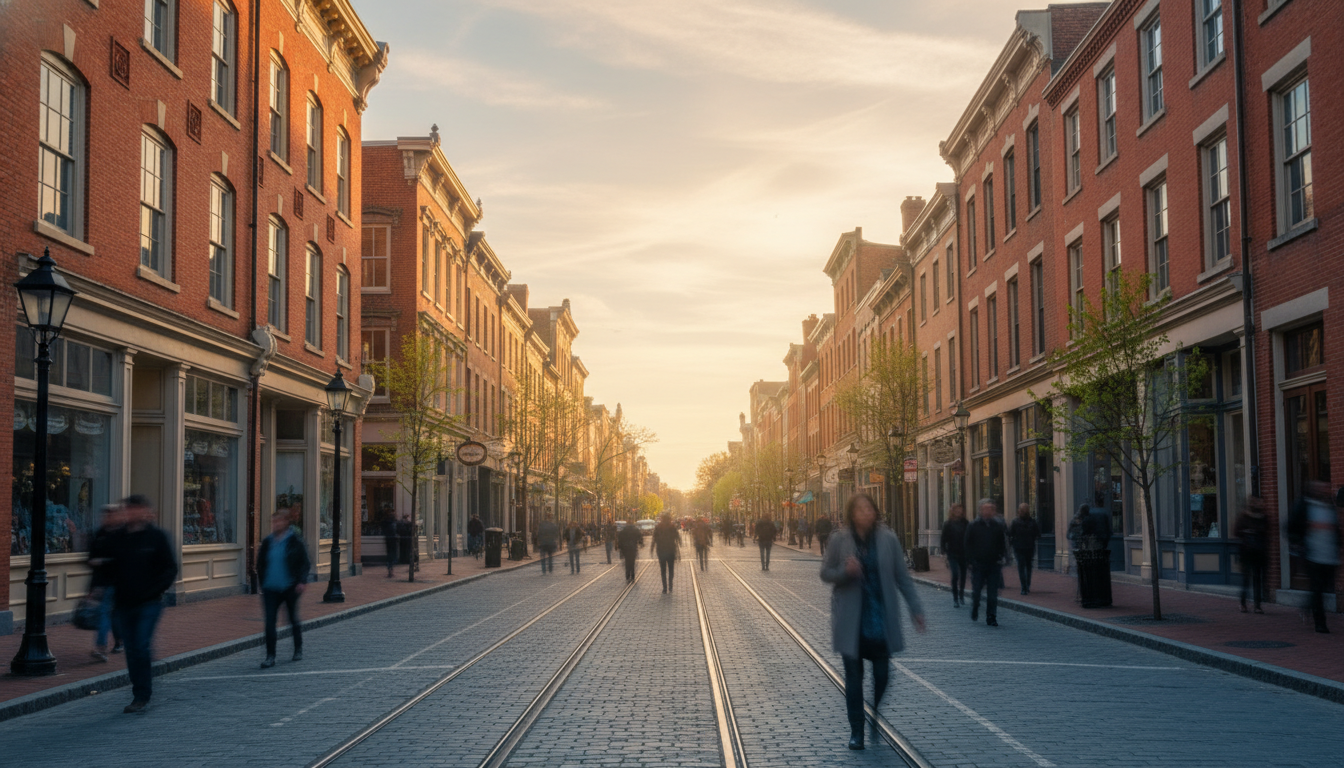
The Frederick Historic District represents one of America's most intact collections of 18th and 19th-century architecture, featuring over 200 preserved buildings that create a living museum of American urban development. The district listed on the National Register of Historic Places encompasses commercial, residential, and religious structures spanning architectural styles from Georgian and Federal through Victorian eras.
Market Street serves as the historic district's spine, lined with three and four-story brick commercial buildings that have housed businesses continuously for centuries. The ground-floor shops maintain historic storefront designs while accommodating modern retail and restaurants. Upper floors preserve residential and office spaces with period details.
The clustered spires Frederick's signature skyline rise from historic churches throughout the district. The Evangelical Lutheran Church, St. John the Evangelist Catholic Church, All Saints Episcopal Church, and Unitarian Universalist Church each contribute distinctive spires visible from miles away. These religious structures represent significant architectural achievements and the city's diverse denominational history.
Historic alleyways including Brewer's Alley preserve the service corridors that once supported main street businesses. These passageways reveal working aspects of historic urban life invisible from primary streets, with former stables, workshops, and warehouses converted to modern uses.
Civil War Historic Sites
Monocacy National Battlefield preserves "the battle that saved Washington" just south of Frederick. On July 9, 1864, outnumbered Union forces delayed Confederate troops long enough for reinforcements to reach the capital, preventing a potential capture of Washington. The park includes hiking trails, historic buildings, and an interpretive visitor center.
The National Museum of Civil War Medicine occupies a downtown Frederick building, interpreting the evolution of battlefield healthcare during the conflict. The comprehensive exhibits demonstrate medical practices, hospital organization, and the human cost of war through artifacts, dioramas, and personal stories.
Barbara Fritchie House commemorates the legendary defiance of an elderly Union supporter who allegedly waved the American flag at Confederate troops passing her home. While historical accuracy of specific details remains debated, the house preserves Civil War-era domestic architecture and the power of patriotic literature.
Hospitals and relief sites throughout Frederick served as medical facilities during and after battles. The city's strategic location made it a crucial hospital center, with churches, public buildings, and private homes converted to care for wounded soldiers from Antietam, Gettysburg, and other engagements.
Revolutionary War & Early American Sites
Schifferstadt Architectural Museum preserves one of America's finest examples of German colonial architecture, built in 1756. The stone house demonstrates German building techniques and cultural retention in colonial Maryland. French and Indian War history surrounds the property as English and colonial forces traveled through this region.
Mount Olivet Cemetery serves as the final resting place of Francis Scott Key, author of "The Star-Spangled Banner." The elaborate monument marking his grave has become a site of patriotic pilgrimage. The cemetery also contains graves of other notable Frederick residents from across American history.
The Roger Brooke Taney House interprets the life of the Supreme Court Chief Justice who authored the infamous Dred Scott decision. The property provides context for understanding Taney's complex legacy while presenting the history of enslaved people who lived and worked there.
Historic House Museums
Rose Hill Manor preserves the childhood home of the Ross family, featuring Federal period architecture and extensive collections of decorative arts. The property includes outbuildings, a carriage museum, and grounds that interpret early 19th-century life for both the wealthy family and the enslaved workers who maintained the estate.
Historic house museums throughout Frederick County preserve various aspects of regional history. These sites range from grand estates to modest homes, each telling different stories about the people who built and occupied them across centuries of American history.
Exploring Historic Sites
Self-guided walking tours enable independent exploration of Frederick's historic district. Interpretive markers provide historical context at significant locations, while brochures and apps offer suggested routes and additional information.
Guided tours available through various organizations provide expert interpretation and stories not accessible through self-guided visits. Walking tours, ghost tours, and themed historical tours cater to different interests and timeframes.
Driving tours extend historic site exploration beyond the walkable downtown to battlefields, rural historic sites, and locations throughout Frederick County. The scenic routes connect multiple sites while showcasing the region's beautiful landscapes.
Tips & Guidelines
Take a Walking Tour
The best way to experience Frederick's historic sites is on foot. Download a self-guided tour map or join a guided walking tour to understand the history behind the buildings.
Visit Monocacy Battlefield
The Monocacy National Battlefield, just south of Frederick, preserves 'the battle that saved Washington.' The auto tour and visitor center provide excellent Civil War history.
Look for Historical Markers
Frederick's historic district features numerous interpretive signs and historical markers. Take time to read these for fascinating stories about the people and events that shaped the city.
Explore Beyond Downtown
While the historic district is the centerpiece, significant sites extend beyond downtown including Civil War battlefields, covered bridges, and historic homes throughout the county.
Related Articles
Frequently Asked Questions
What historic sites are in Frederick MD? ▼
Frederick's historic sites include the National Museum of Civil War Medicine, Monocacy National Battlefield, the historic downtown district with 200+ preserved 18th and 19th-century buildings, Rose Hill Manor, Schifferstadt Architectural Museum, the Barbara Fritchie House, the Roger Brooke Taney House, Mount Olivet Cemetery (burial site of Francis Scott Key), and numerous Civil War-era sites throughout the county.
Is Frederick MD a historic town? ▼
Yes, Frederick is highly historic, founded in 1745 and serving as a key crossroads during the French and Indian War, Revolutionary War, and Civil War. The city features one of America's most intact historic districts with exceptional 18th and 19th-century architecture. Its strategic location made it significant in multiple American conflicts.
What is the historic district in Frederick? ▼
The Frederick Historic District encompasses over 200 preserved 18th and 19th-century buildings centered around Market Street. The district features Federal, Georgian, and Victorian architecture, with notable churches creating the iconic 'clustered spires' skyline. It's listed on the National Register of Historic Places.
Are there Civil War sites in Frederick? ▼
Yes, Frederick is rich in Civil War history. Key sites include the National Museum of Civil War Medicine, Monocacy National Battlefield (the battle that saved Washington), the Barbara Fritchie House, sites related to the Maryland Campaign and Antietam, and numerous locations connected to the city's role as a hospital center after battles.
Want to explore more?
← Return to Things to Do in Frederick